















As soon as the weather gets warmer, the same thing happens to many of us. We look forward to longer walks, more woods, more meadows, more of that wonderful feeling of finally being able to go outside again. And precisely at this moment, a season that no one misses begins: tick season. Sometimes a short trip into tall grass is enough, and in the evening you're sitting with your dog, meticulously searching their fur inch by inch.
In this article, we'll explain how you can effectively support your dog during tick season, why skin and coat care play a bigger role in spring than many think, and what a routine that truly helps you in everyday life looks like. This also includes the question of what natural tick repellent dog owners want and what realistic expectations are. We'll also look at what you absolutely must pay attention to when checking, caring for, and removing ticks.
Why Coat Care is So Important During Tick Season
Ticks are not just a matter of applying something and being done with it. In practice, the combination of coat, skin, and inspection often determines the outcome. A well-groomed coat is easier to search. Loose undercoat, mats, or very dense fur make it easier for ticks to hide. And the later you find a tick, the greater the uncertainty usually is.
Especially in spring, coats are often in transition. Many dogs are in the middle of shedding. Their coat is denser, the undercoat is firmly attached, and you generally have more material in which ticks can hide. A good coat care routine makes it easier for you to find ticks early and keep your dog's skin calm at the same time. This is less spectacular than a miracle cure, but often the decisive difference in everyday life.
Natural Tick Repellent for Dogs: What You Can Realistically Expect
Many desire a natural tick repellent for dogs that is gentle, well-tolerated, doesn't contain a lot of chemicals, and still reliably protects. This is absolutely understandable. At the same time, it's important to set clear expectations so you don't lull yourself into a false sense of security. No natural tick repellent for dogs can guarantee that your dog will be completely free of ticks. Ticks are persistent, and their activity largely depends on the region, weather, ground, and season.
However, natural approaches can provide excellent support in everyday life. They can help care for the skin barrier, keep the coat in a condition that is easier to search, and create a routine that makes ticks visible more quickly. Some dogs also benefit from grooming products that keep the skin microbiome stable and the coat well-maintained. Natural often means good accompaniment, consistent checking, and sensible protection, rather than a single, all-solving step.
As good as the natural approach sounds, it has a clear limit. Ticks cannot be reliably groomed away. In areas with a high tick burden, or for dogs that spend a lot of time in tall grass, near water, or in the woods, a natural tick repellent alone might not be enough for your dog.
It's also important to critically examine expectations for homemade remedies. Highly concentrated mixtures, essential additives, or oils can irritate the skin and further burden the dog. More natural does not automatically mean more tolerable. If your dog has sensitive skin, gentle, tested care is often a better choice than experiments.
If your dog regularly has many ticks despite a routine, or if you live in a high-risk area, it's also worthwhile to discuss the protection concept with your veterinarian. Natural care can accompany, but it does not replace individual risk assessment.
Tick Routine in Everyday Life: Searching, Paws, Coat, and Gentle Care
The most effective tick strategy is often not a single measure, but a routine that fits into your daily life. And this routine should be uncomplicated. You don't need hours of checking, but you do need regularity, especially after being in meadows, woods, and tall grass. A quick check in the evening can save a lot of stress, as you often find ticks early, before they firmly attach.
Start with the typical areas: head, ears, neck, chest, armpits, belly, groin, inner thighs. For many dogs, it's also worth checking between the toes and on the paws. That's exactly where not only ticks but also small foreign bodies collect. Paws are real collection points in spring, and a quick check can prevent a lot. If your dog is restless during this, it often helps to frame the whole thing as a little cuddling ritual, not an examination.
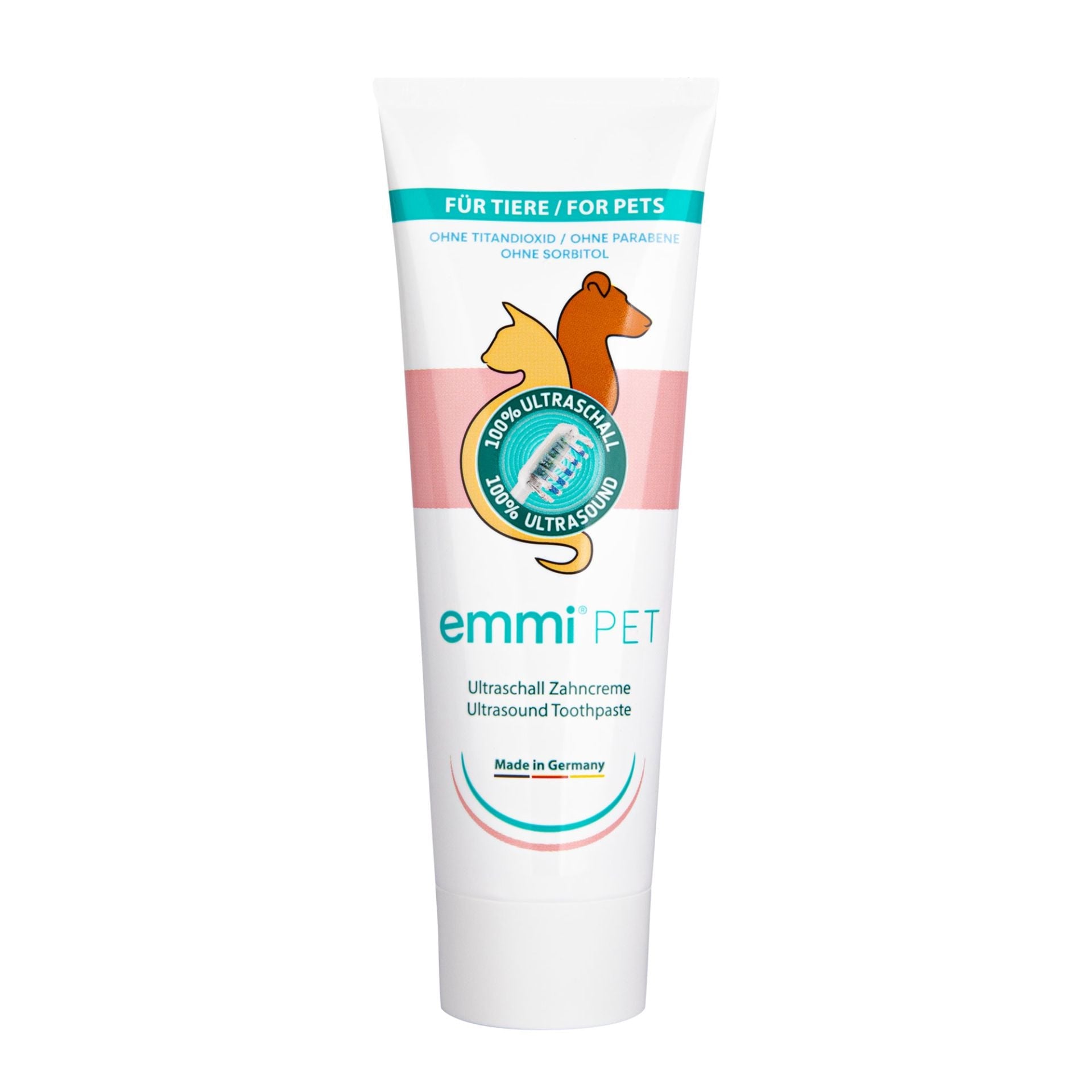
This is where paw care fits perfectly into the routine. Not as a natural tick repellent for your dog, but as a gentle building block to clean paws after walks and keep them supple. Especially if the dog walks a lot on varying surfaces, this can support the skin barrier. And it also ensures that you have their paws in your hand anyway and see more quickly if something is there.
The coat is the second major lever. A grooming kit in spring is not just for appearance, but for manageability. If you brush regularly, you remove loose undercoat, reduce mats, and make the coat more transparent. This often allows you to find ticks faster. A well-groomed coat is easier to check, and checking is invaluable during tick season.
Regarding tick protection: the easier it fits into your routine, the more consistently you'll stick to it. Many want to use a natural tick repellent because they want to gently support their dog. This is a good approach, as long as you combine it with checking and consider your environment. If your dog runs through tall grass every day, you might need a different level of protection than a dog that primarily walks on paths. Tick protection is always individual, not general.
What You Should Avoid: Common Mistakes During Tick Season
During tick season, moments happen again and again that almost everyone knows. And most of them have nothing to do with ignorance, but with everyday life. You're tired, the dog is already in its bed, you think you'll check more closely tomorrow. These small postponements are often the reason why ticks are found later than necessary. Checking too infrequently is the most common mistake, not the choice of product.
A second mistake is over-grooming. Especially when you want to get rid of ticks, the impulse to constantly apply something or wash them quickly arises. This can stress the skin barrier, especially in spring, when many dogs are shedding anyway. More product does not automatically mean more protection.
A third classic is removal. If you find a tick, speed is important, but rushing rarely brings good results. Ticks should be grasped as close to the skin as possible and removed calmly, without squeezing them. Home remedies like oil or other suffocation tricks are rather risky in practice because they can delay removal. The calmer you are, the more cleanly it usually works.
And then there's the biggest blinder of all. You rely on a natural tick repellent for your dog and neglect checking. Especially with natural approaches, however, checking is part of the plan. If you want to support naturally, then searching is an essential part of it.
So You Can Get Through Tick Season Relaxed
Tick season is annoying, but it doesn't have to dictate your spring. If you take good care of your dog's coat and skin, searching will be easier and you'll find ticks more quickly. A small routine of coat care, paw checks, and tick protection that suits your everyday life is often the most sensible combination. Paw care, tick protection, and a grooming kit can be practical building blocks if you want a clear structure that you can maintain without stress.
The realistic expectation is important: This is not a guarantee that no more ticks will come. But it is a reliable routine that gives you control and security. And that's often what provides the most relief during tick season.
Note: If you notice unusual reactions after a tick bite, such as severe redness, swelling, fever, lethargy, or a dog that is suddenly not acting as usual, you should have it checked by a veterinarian. Better too early than too late, especially during tick season.